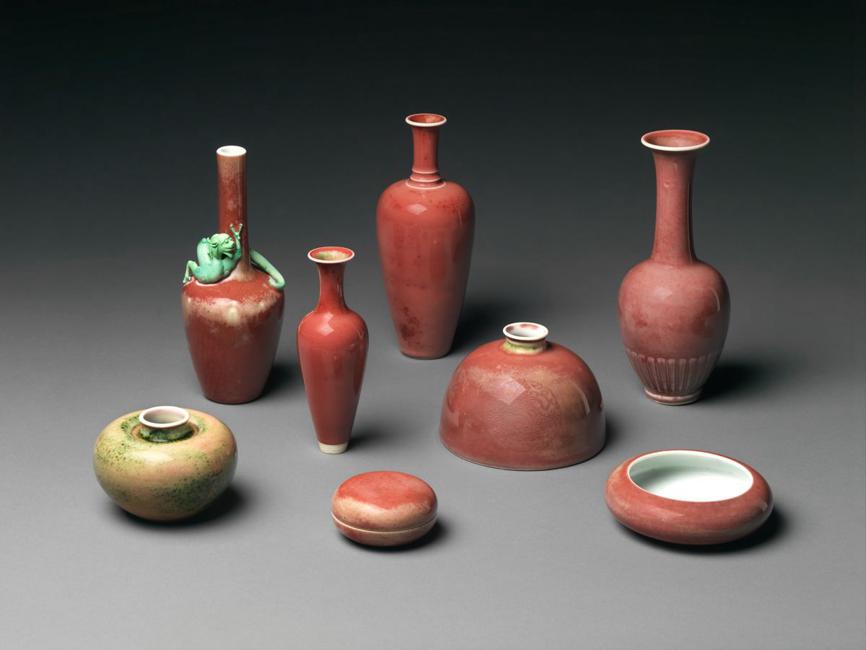
Chinese Ceramic Arts
Introduction
Chinese ceramic arts encompass a rich and ancient tradition that has been evolving for thousands of years. Known for their intricate designs and exceptional craftsmanship, Chinese ceramics have been a significant cultural artifact in both historical and contemporary contexts. The art form is deeply rooted in Chinese culture and has been influenced by various dynasties, each contributing unique styles and techniques.
Historical Background
Chinese ceramics date back to the Neolithic period, with some of the earliest examples being simple pottery vessels. Over time, the craft developed through the Shang and Zhou dynasties (c.16th century-256 BC), with significant advancements during the Han (206 BC-220), Tang (618-907), Song (960-1279), Yuan (1271-1368), Ming (1368-1644) and Qing (1644-1911) dynasties. Each era introduced new styles, techniques and materials, reflecting the social, economic and technological changes of the time.
The city of Jingdezhen in Jiangxi province is often referred to as the "Porcelain Capital" due to its long-standing tradition of producing high-quality ceramics. It became a major hub during the Song dynasty when imperial kilns were established to create porcelain for the royal court. This tradition continues today, with Jingdezhen being a center for ceramic production and innovation.
Techniques and Materials
Chinese ceramics are known for their diversity in style and technique. The process typically involves the use of kaolin clay, which provides the porcelain with its distinctive white color and translucence. Various techniques such as glazing, painting and engraving are employed to create the intricate designs that are characteristic of Chinese ceramics.
Glazing, a process of applying a glassy coating to the surface, is a crucial step in ceramic production. It not only enhances the aesthetic appeal but also contributes to the durability of the ceramics. The use of vibrant colors achieved through different minerals and firing techniques has been a hallmark of Chinese ceramic art.
Cultural Significance
Ceramics have played a vital role in Chinese culture, not only as functional objects but also as symbols of wealth and status. They were a major commodity along the ancient Silk Road, facilitating cultural exchange between China and other civilizations. Chinese ceramics influenced pottery in Asia, and later in Europe, where the term "china" became synonymous with fine porcelain.
In addition to their historical significance, Chinese ceramics continue to be a medium for artistic expression and innovation. Contemporary artists often blend traditional techniques with modern influences, creating works that are both rooted in history and reflective of current trends.
Global Influence and Modern Developments
Chinese ceramic arts have transcended their traditional boundaries, becoming a global art form. International exhibitions and collaborations have helped promote Chinese ceramics on the world stage. The field continues to evolve with the integration of modern technologies and materials, expanding the possibilities for ceramic art. Institutions like Jingdezhen Ceramic University play a crucial role in this development, providing education and platforms for young artists to innovate and preserve the legacy of Chinese ceramics.
Educational and Cultural Exchange
The exchange of knowledge and skills between international artists and Chinese ceramists has enriched the art form. Programs at universities and cultural institutions facilitate this exchange, fostering a deeper understanding of Chinese ceramic arts. This cross-cultural collaboration not only enhances artistic practices but also strengthens cultural ties between nations.
Chinese ceramic arts represent a profound cultural heritage that has adapted and thrived through centuries. With its deep historical roots and ongoing evolution, it continues to be a source of inspiration and cultural connection both within China and globally. The integration of traditional techniques with modern innovation ensures that Chinese ceramic arts remain a dynamic and vital part of the world's artistic landscape.








